

The traditional assumptions in international education are breaking down. Current data confirms what we clearly observe in our consulting sessions: due to tightening visa processes and policies, the number of international students heading to the US has dropped 24% compared to pre-pandemic levels.
So what are students looking for now?
Not just a prestigious school label, but visa accessibility, affordable cost of living, and post-graduation work rights. As the US loses ground, Germany, Ireland, the Netherlands, Singapore and Japan have become the new destinations of choice.
The European alternative stands out with budget-friendly tuition and clear career opportunities.
Shifting profiles: While Chinese students are increasingly choosing to stay at their own universities, strengthened by growing investments, Indian students are diversifying their routes across the globe.
As an education consultant, my advice is simple: don't get locked into a single option — stay current. The right strategy isn't chasing a famous name; it's choosing the country that offers a sustainable future after graduation. How the US navigates this remains to be seen, but one thing is clear on the ground: the balance in international education is being reset.
Source: Vignesh Radhakrishnan ve Karoline Kan analizi
Other posts

Twelfth Grade Is Not for Starting, It's for Finishing
One of the sentences we hear most often in parent meetings: "Our child is in 12th grade, let's start applying now." Yet 12th grade is not the time to begin a journey, it is the time to complete a strategy built over years.
Read more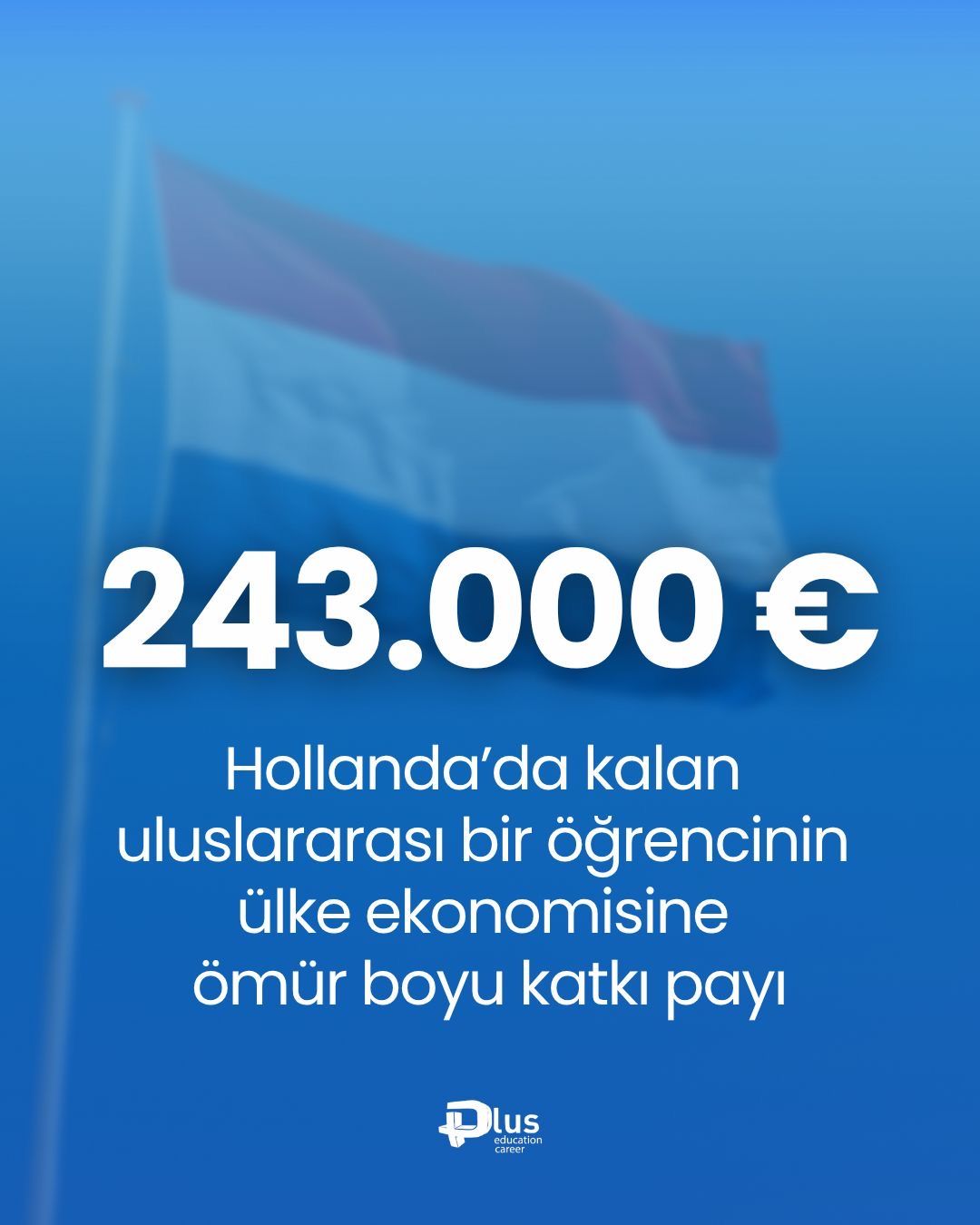
Studying Abroad Isn't Just a Dream, It's an Investment
Research by the Dutch government's economic policy bureau CPB shows that around 40% of non-EEA graduates stay in the Netherlands after their studies, contributing an average of €243,000 to the economy over their lifetime there.
Read moreAnother Summer in Paris: Our Sorbonne Programmes Completed
After weeks of intensive B2/C1 training, our students sat the DALF C1 exam in Paris and completed interdisciplinary thematic academic programmes under the roof of the Sorbonne.
Read more